A claimed studio page should do two jobs at once.
For customers, it should answer: "Can I trust this place, and what do I do next?"
For the studio owner, it should answer: "Is this profile strong enough to win the click instead of sending people back to Google?"
That is why a claimed page cannot just be a name, address, and cute photo. It needs official details, clear links, useful images, event categories, booking paths, and enough proof that the page feels cared for. Thin profiles look like directory filler. Strong profiles feel like a real front door.
Start with the customer job
The customer is not thinking about SEO. They are trying to plan something.
Maybe they need a birthday idea. Maybe they are comparing date-night options. Maybe they are the office admin who got asked to find a team activity by Friday. Maybe they found the studio on Google and clicked into paintandsip.co because they want a second opinion.
The page has to help that person move.
At minimum, a claimed profile should show what the studio offers, where it is, how to book, whether private events are available, and where the details came from. If the page makes the customer open five tabs to answer one basic question, the profile is not doing its job.
What belongs above the fold
The top of the profile should be boringly clear.
Use the studio name, city, claim state, best-fit categories, and the main action. If there is a real booking URL, use it. If there is not, send customers to the official studio website or submission path. Do not create a button that looks useful and then goes nowhere.
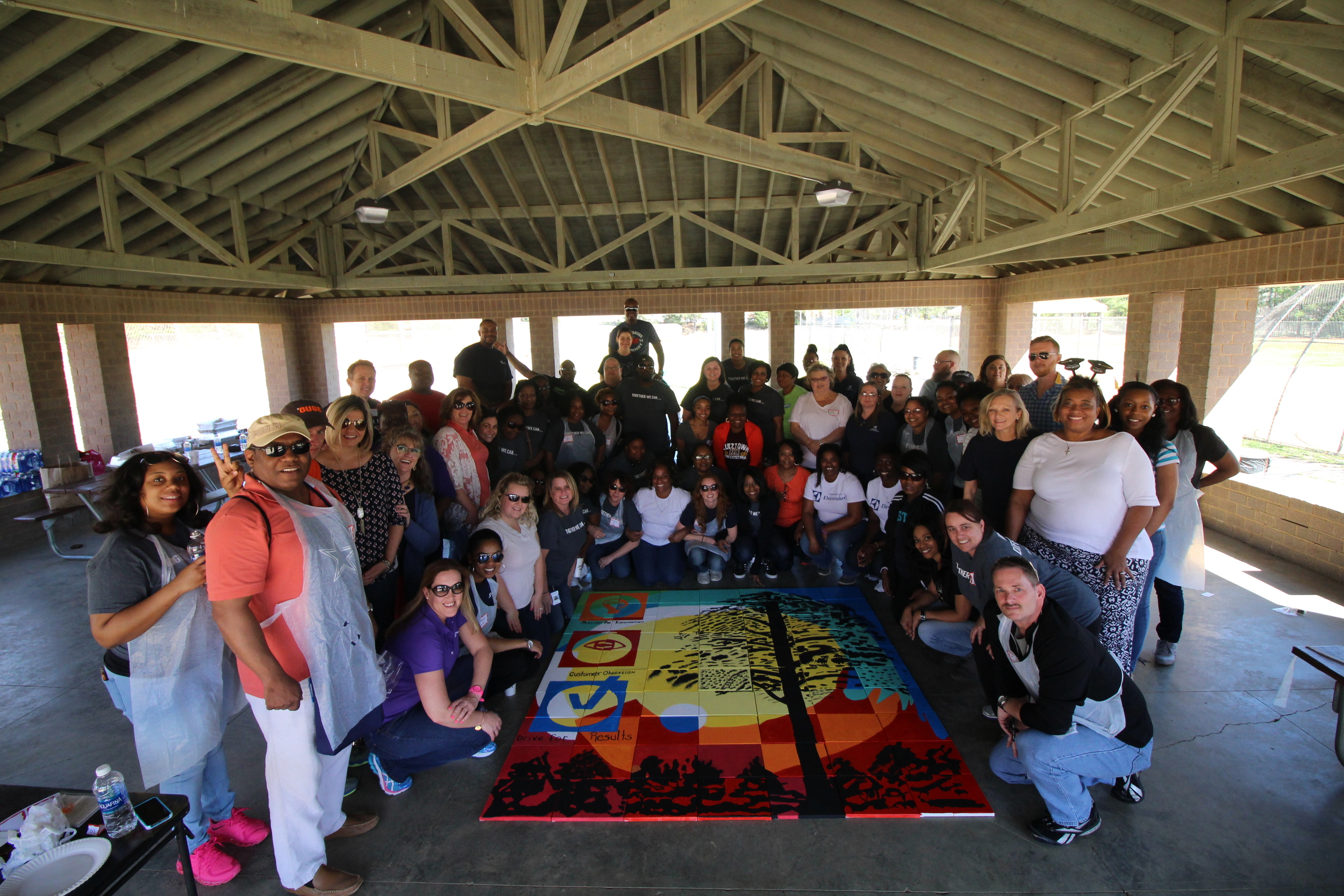
The hero image matters too. Official studio imagery is best when it is available and approved. A real room, real class setup, or real project table helps customers trust the listing faster than a generic paint brush photo. The image should reveal the actual experience, not hide it.
The ranking layer is trust, not keyword confetti
Google's current helpful-content guidance is very plain: pages should be useful to people first, not made mainly to manipulate rankings. For a studio profile, that means the page needs substance a customer can actually use.
Keyword stuffing does not help a profile feel trustworthy. A better page explains the studio's real offering in plain language: public classes, private parties, kids events, corporate groups, mobile events, Paint Your Pet, splatter rooms, BYOB, or family-friendly sessions.
That also helps search engines understand the page because the content is specific. Specific beats repetitive.
Source trail: receipts without making it weird
Customers should see enough proof to feel safe, but the public page should not sound like a research database.
Use simple labels: official website, booking page, Google reviews, studio-submitted details, claimed profile, or Painta-powered booking. Keep proof simple. Readers do not need internal notes. They just need to know the listing has receipts.
The best practice is to show the live source link near the profile details. If the studio updates hours, policies, or booking rules, the customer can check the source before making a plan.
What owners should add when they claim
Claiming should improve the page for the customer, not only for the owner.
The highest-value additions are usually:
- A direct booking or inquiry link.
- Official photos that show the room or event setup.
- Private-event details: group size, occasions, deposit shape, and how to ask.
- Signature formats like Paint Your Pet, splatter, family classes, or corporate events.
- Clear policies around cancellation, late arrivals, and custom prep.
That is not busywork. Those details help a customer choose faster.
The owner benefit
A strong claimed profile can become a second front door.
The studio website is still the source of truth. But a directory page can meet customers earlier in the search, especially when they are browsing by city or occasion. If the profile is useful, it can send better traffic to the studio instead of creating another dead-end listing.
It also gives the owner a cleaner claim: "Here is what we are best for, here is how to book us, and here is why this listing is real."
What not to publish
Do not publish invented claims. Do not copy Google review text. Do not imply a studio uses Painta unless it is actually Painta-powered. Do not say a profile is claimed unless the owner has a real claim path.
Also, do not overdo the prose. A studio page is not a novel. It should be scan-friendly, direct, and useful. The customer needs to plan the night, not admire our sentence structure.
The quick audit
Before calling a claimed page ready, ask:
- Can the customer book or contact the studio from the page?
- Can they tell what the studio is best for?
- Are the images real, useful, and credited correctly?
- Are private events and signature formats easy to find?
- Are source links visible enough to build trust?
- Does the page avoid fake claims, fake buttons, and copied review text?
The highest-value profile spec
For our audience, a claimed profile should feel useful to three people.
The customer needs the fastest path to a good night out. The studio owner needs the listing to represent the business properly. The admin needs the profile to be easy to keep current without turning every update into a little project.
That means the best profile has a tight spec:
- Studio name, city, neighborhood, and official website.
- Primary booking or inquiry link.
- Best-fit formats: public classes, private parties, corporate events, Paint Your Pet, kids, mobile, splatter, BYOB, or family-friendly.
- Official images, credited and chosen because they reveal the real room or experience.
- Clear "best for" language that helps customers choose.
- Google review link, not copied review text.
- Claim or update path for the owner.
- Related pages for the customer's next move.
This is the grown-up version of a directory listing. It is not stuffed with keywords. It is useful enough that a customer would stay on the page instead of bouncing back to search.
The owner claim form should ask better questions
If the claim form only asks for name, email, and website, it will not collect the details that make the page better.
Ask questions that improve the customer experience:
- What are your top three event types?
- Do you accept private parties?
- What group sizes can you host?
- Do you offer mobile or offsite events?
- What is the best booking link for public classes?
- What is the best inquiry link for private events?
- Which photos are approved for public use?
- What should customers know before booking?
That gives the admin cleaner data and gives the studio owner a profile that actually sounds like the business.
What "rankable" really means here
A rankable profile is not a page that says "paint and sip" ten times. A rankable profile is a page with enough original detail to answer a local or occasion search well.
For example, "paint and sip studio in Charlotte" needs location, brand, photos, and a real website link. "private paint party Charlotte" needs event details, group-size clues, inquiry path, and occasion language. "corporate paint night near me" needs buyer-safe language: groups, invoices, timing, food/drink rules, and what is included.
One page can support multiple searches if the details are real. That is the whole point of a claimed profile. It turns a flat listing into a useful planning page.
The trust mistakes to avoid
Do not let a claimed page become a glossy fiction.
The biggest mistakes are easy to spot:
- A booking button that goes to a generic homepage.
- A beautiful photo that does not belong to the studio.
- A private-event claim with no private-event details.
- A review summary that copies Google review text.
- A profile that implies Painta powers the studio when it does not.
- A stale page with old hours, old links, or no owner path.
Trust is not a vibe. It is a set of visible, boring, useful details. Honestly, very on-brand for a good local business.
How admins keep it fresh
A claimed page should not need a full rewrite every time the studio changes something.
The admin workflow should separate stable details from seasonal details. Stable details are the studio name, website, claim state, booking link, location, and main event types. Seasonal details are holiday classes, special events, temporary offers, or one-off workshops.
Best practice: keep the profile stable and use related links or featured events for the seasonal movement. That way the page keeps its trust while still feeling alive.
For the studio owner, this is less annoying. For the customer, it means the profile does not look abandoned. For the directory, it means fewer stale pages floating around like old flyers in a coffee shop window.
If the answer is yes, the page is much less likely to feel like SEO filler. It feels like a useful local profile with receipts. That is the whole point.
Sources
These sources ground the editorial examples. They do not imply the listed studios use Painta unless a profile is marked Painta-powered.
- City Art Room official paint party page
Official studio page used for the article image and as a concrete example of private-party positioning.
- Painta-powered Artbar Tokyo listing
Shows how a claimed, booking-ready profile can connect a directory listing to a real customer action.
- Studio submission flow
Shows the public owner path for adding or improving listing details.
- Private paint party directory
Shows how claimed profiles should connect to occasion demand, not only city browsing.